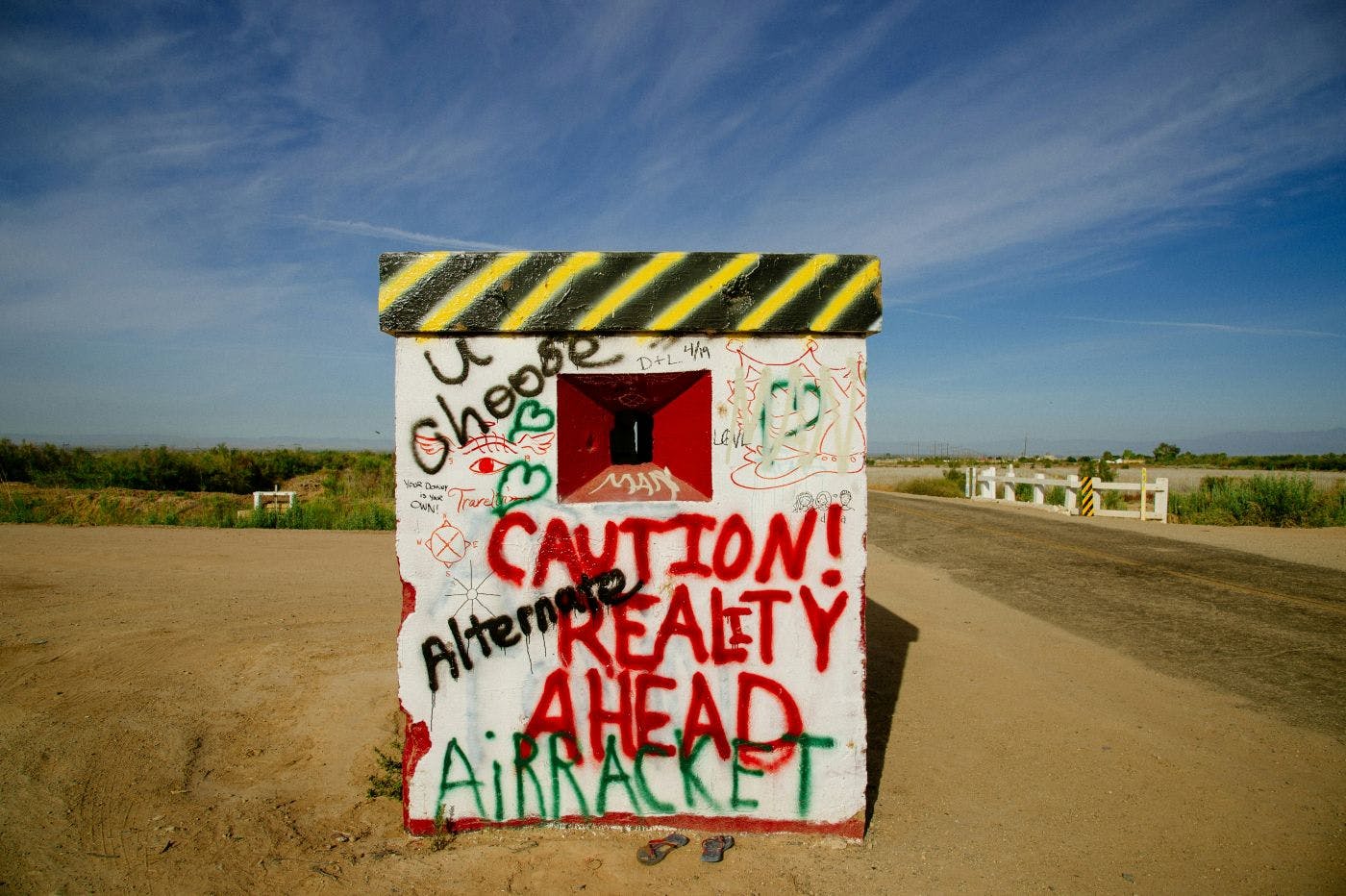
How do brands keep up with an ever-shifting definition of reality? Is the fictionalized reality we consume more inviting than the real thing? And if so, how should a brand respond?
What is reality?
Now, before you leap to the bookshelf, grab your copy of Aristotle’s Metaphysics, and start shouting “being qua being,” I’m not trying to start a philosophical argument here. I’m not that smart, and I’m not that familiar with the whole qua thing. I’m asking what reality is because I was forced to attend an evening of reality TV at a reality party.
Now, I’m going to admit something that will make me sound like a clod. An ignoramus when it comes to today’s culture. When I was invited to this reality party, I honestly thought it would be an Aristotle-themed gathering. Imagine my surprise when I showed up and discovered I was the only one with a long gray beard, wearing a toga. Now imagine my absolute shock when I was told the party’s theme was reality TV.
The entire evening was spent watching reality TV shows, playing reality TV-themed trivia, and eating reality TV foods. Though the food was just pizza bagels, chips, and variations on the crudité theme.
The reality of the evening was that this party, these people who threw it, and about 90% of the people attending believed this was reality. They watch the reality shows and think that’s reality.
Looking around the room, I noticed couples in silent, glaring fights with one another. People working toward hooking up. People alone and unable to come out of their shy shells. The host couple nervously hoping everyone was having a good time, while also hoping no one spilled anything on their new rug.
In other words, there was human stuff going on. Human emotions. And if they lifted their eyes from the TV for a moment, everyone at that party would have witnessed a heapin’ helpin’ of reality.
As the night rolled on, though, I noticed something else. The “reality” on the TV had far more emotion, friction, outward tension, anger, and yelling than the reality unfolding in the room. While this observation was forming in my wee brain, a woman standing next to me, eyes glued to whatever housewives, housemates, or beach-dwelling dramas were on screen, turned to me.
“Wouldn’t it be great if life were like this?” she asked.
I had to look at her. Then at the show. Then back at her, just to make sure I was, indeed, still in reality.
“No,” I said, and headed toward the reality of snacks.
Here’s something I’ve learned from being an actor. The moment a camera shows up in a room, reality shifts. Once people know they’re on camera, and that whatever the camera captures will be broadcast to the world, reality is redefined.
I don’t know about you, but I don’t have a house wired with cameras. I don’t have grips and assistants, camera loaders, ADs, or directors of photography sitting at my kitchen table when I wake up, talking about the shots they need that day and the angles they’ll use to get them.
My reality is much more pedestrian. Wake. Pee. Coffee. Cold water on my face. Maybe pants are involved. Then it’s to the desk. Computer on. Work.
That’s my reality. That’s real.
A chubby, half-dressed guy with a Gonzo coffee mug, sitting at a desk in the corner of an apartment, writing blogs and copy for sales decks. That’s my reality. And the reality of that reality is that it isn’t fit for reality TV. I don’t mind. I don’t watch reality TV.
But that’s me. I like my reality real. Not on camera. Not on TV. I like having human moments in private settings. This is why I don’t understand the appeal of reality TV, in the same way I don’t understand the appeal of bringing your life partner onto a talk show to announce that you’ve been cheating on them with their sister for years. Isn’t that the kind of thing better shared privately, with compassion and care? Apparently not.
It turns out it’s better to surprise the bejesus out of your partner on national television, in front of a live audience, so more people can witness the pain, destruction, and sadness in real time. The reality of the affair seems legitimized only when it’s revealed on TV, in front of millions of strangers.
Why?
Why is actual reality less important than fabricated reality? Why do we revel in the pain of others? Why has reality TV overtaken the reality of life?
I’m sure I’m not asking anything new. But I am asking it now from a branding perspective.
How do brands keep up with an ever-shifting definition of reality? Is the fictionalized reality we consume more inviting than the real thing? And if so, how should a brand respond?
When Reality Gets Outsourced
What struck me most about that party wasn’t the TV. It was the way the TV quietly replaced the room.
There was actual life happening everywhere I looked. Small tensions. Unspoken hopes. The low-grade anxiety of social performance. The private negotiations couples conduct with nothing but eye contact and posture. People deciding whether to lean in or retreat. Whether to risk connection or stay safe. That stuff is exhausting. It requires attention. Presence. A willingness to sit inside uncertainty without a script. The television offered an alternative.
On screen, everything was louder, clearer, and more decisive. Conflicts had names. Villains were obvious. Emotions arrived fully formed and on schedule. Someone was always about to cry, scream, storm out, or confess something they definitely should have thought through first. There were no long pauses where nothing happened. No awkward silences. No slow realizations. The mess had been edited into a story. And everyone in the room accepted that version as more real than what was happening right in front of them. That’s the part that keeps nagging at me.
Somewhere along the way, we started outsourcing emotional intensity. We let screens handle the drama, the risk, the confrontation, and the vulnerability, while we keep our real lives more muted, more managed, more careful. The TV does the feeling for us. We observe it rather than participate in it. It’s safer that way.
In real life, there’s no editor. No confessional booth. No producer pulling you aside to ask how that moment made you feel. If you say the wrong thing, you don’t get a second take. If you hurt someone, there’s no cutaway shot to soften the blow. You have to live with the consequences in real time.
Reality TV removes that weight. It packages consequences as entertainment. It turns risk into spectacle. And over time, that spectacle starts to feel like the baseline for what real emotion is supposed to look like. Quiet frustration feels insufficient. Private joy feels small. Ordinary intimacy feels boring.
So we watch other people do the emotional heavy lifting for us. We consume intensity instead of creating it. We treat lived reality as something slightly underwhelming, like a rough draft that never quite becomes the final version. Which raises an uncomfortable question. If this is how we’ve been trained to experience reality, what happens when brands try to enter the picture and claim they’re being real?
The Camera Changes Everything
There’s a moment every actor knows, even if they can’t always articulate it. The room is normal. Casual. People are themselves. Then a camera shows up. Nothing dramatic happens at first. No one announces a transformation. But something subtle shifts. Postures straighten. Voices change. People become a little more aware of their hands, their faces, the way they’re sitting. Even the people who swear they’re being natural are making choices they weren’t making a moment ago.
That’s not a failure of authenticity. It’s human awareness.
A camera isn’t neutral. It introduces an audience, even when that audience isn’t physically present. And the moment an audience exists, behavior changes. Reality becomes performative, not because people are fake, but because being seen alters how we move through the world.
Reality TV pretends this doesn’t happen. That’s the trick it plays. It tells us these moments are spontaneous, unfiltered, raw. But the rawness is framed. Lit. Mic’d. Repeated until the right version emerges. What we’re watching isn’t reality. It’s reality under pressure. That pressure does something important. It compresses emotion.
Instead of frustration building slowly over weeks, it explodes in minutes. Instead of a relationship eroding quietly, it collapses in a single episode. Ambiguity gets sanded down. Complexity is inconvenient. Subtlety doesn’t survive the edit. What’s left is something more legible. More intense. Easier to read from the couch. And that legibility is what starts to feel real to us.
Compare that to actual life. Most of our days are emotionally unspectacular. We don’t articulate our feelings in neat sentences. We don’t deliver monologues about our childhood trauma while a camera holds a close-up on our face. We mumble. We deflect. We change the subject. We feel things without fully understanding them. That kind of reality doesn’t travel well on screen.
So when people say reality TV is fake, they’re missing the point. It’s not fake. It’s concentrated. Distilled. Optimized for attention. It’s reality that’s been taught how to perform. And once you get used to that version, unperformed reality can start to feel thin. Like something is missing. Like life should be doing more.
In his stand-up special Baby J, John Mulaney shares pieces of his journey to sobriety. It’s painful and brave and sharp in that way only he can manage. At one point, he tells a story about stepping into a friend’s apartment, only to realize it’s an intervention.
Mulaney is ushered into a “special chair” because he’s the belle of the ball, and he overhears someone say, “I thought they were going to tackle him.”
As Mulaney points out, that’s a technique borrowed from To Catch a Predator. His friend is disappointed that the live intervention wasn’t more action-packed. The moment is handled masterfully by Mulaney, but it also says something quietly unsettling about what we’ve grown to expect from reality.
Even something as serious and intimate as an intervention can feel underwhelming if it doesn’t resemble television.
This is where things get dangerous, not in a moral panic way, but in a subtle expectation-setting way. We start judging real experiences against mediated ones. We wonder why our arguments don’t have clearer villains. Why our breakthroughs aren’t more cinematic. Why don't our lives escalate fast enough? And why we can’t we be followed around by a team of writers giving us jokes every three lines?
We forget that most meaning doesn’t announce itself. It accumulates quietly, in moments that would never survive a casting call. And yet, this performed version of reality is what our culture keeps rewarding with attention.
Which brings us to the next problem.
If heightened, edited, performed reality is what feels real now, what happens to everything that refuses to perform?

Heightened Reality Feels More Real
The strange thing is, this isn’t new. Humans have always preferred stories that sharpen life's edges. Myths, plays, novels, movies. We’ve always taken reality and exaggerated it, compressed it, shaped it into something that makes sense from the outside. What’s different now isn’t the instinct. It’s the scale and the saturation. All our graves will be marked with stones that read, “Based on an actual story.”
Reality TV doesn’t just heighten experience. It trains us to expect heightening as a default. On screen, emotions arrive fully expressed. People know what they’re feeling, and they say it out loud. Conflicts escalate quickly. Moments have beginnings, middles, and ends that fit neatly into a single sitting. Even chaos is organized. Real life doesn’t behave that way.
Most of the time, we don’t know what we’re feeling until well after the moment has passed. Conflict shows up sideways. It leaks. It simmers. It goes quiet for long stretches and then reappears in ways that seem unrelated. Meaning reveals itself slowly, if at all.
That kind of reality is hard to sit with. It’s inefficient. It doesn’t resolve on schedule. It doesn’t reward attention with clarity. So we gravitate toward versions of reality that do.
Heightened reality feels more real because it’s legible. It tells us how to feel and when to feel it. It reassures us that emotions are supposed to look a certain way, that conflict should peak, and that resolution should arrive with a satisfying sense of closure. There’s comfort in that. A strange comfort, but comfort all the same.
When everything is turned up, nothing is left ambiguous. You don’t have to interpret subtext or tolerate uncertainty. The story announces itself. You’re never confused about who’s wrong, who’s right, or what’s at stake. And once that becomes familiar, subtlety starts to feel like absence.
Quiet joy doesn’t register as joy. Private grief doesn’t seem legitimate unless it’s witnessed. A relationship without dramatic swings can feel flat, even if it’s stable and meaningful. The absence of spectacle starts to feel like a lack of substance. This is where the trouble starts.
Because when spectacle becomes the measuring stick, reality is always going to lose. Life doesn’t crescendo on cue. It doesn’t escalate just because we’re paying attention. Most of what matters happens without witnesses, without music, without a reveal.
But we’ve trained ourselves to look past those moments. We scroll. We watch. We wait for something bigger to happen somewhere else. And in doing so, we quietly recalibrate what we think reality is supposed to feel like. That recalibration doesn’t stay on the couch. It follows us into relationships, into work, into how we judge our own experiences. It reshapes our expectations without asking permission.
Which puts brands in a strange position.
Because if people now expect reality to perform, where does that leave anyone trying to show up honestly without turning life into theater? Remember that old chestnut, authenticity? We didn’t lose it. We just taught it how to perform. Come on, dance for grandma, dance for grandma.
The Private Reality We’ve Been Taught to Distrust
Somewhere along the way, we began treating private experience as provisional. As if it doesn’t fully count until it’s seen, validated, or reacted to. If no one claps, did it happen?
That’s the unspoken logic behind so much of what we now call authenticity. It’s no longer about aligning who you are with how you act. It’s about whether anyone noticed. Whether the performance landed. Whether the moment earned a response. So we dance for grandma.
We don’t just live. We narrate. We frame. We anticipate the reaction before the moment has even finished happening. We adjust ourselves in real time, not based on how something feels, but on how it might look from the outside. That doesn’t mean people are fake. It means they’re aware. But awareness has a cost.
When every experience is measured against its potential visibility, quiet moments start to feel suspect. Intimacy without witnesses feels incomplete. Work done without applause feels smaller than it is. A good decision that no one sees feels less satisfying than a bad one that draws attention. This is how private reality loses its footing.
We start distrusting experiences that don’t escalate. We second-guess feelings that don’t arrive with clarity or drama. We mistake steadiness for stagnation and subtlety for emptiness. And this is where authenticity really gets twisted.
Because authenticity, in its original sense, wasn’t about expression. It was about consistency. It meant you were the same person when no one was watching. It meant your behavior didn’t shift dramatically based on audience or reward. That version of authenticity doesn’t play well on screen. It doesn’t spike engagement. It doesn’t create moments. It doesn’t travel.
So we replaced it with something louder. Something more legible. A version of authenticity that performs its own sincerity, just in case you missed it the first time. Which works, up to a point. Until everyone starts doing it. Until sincerity itself starts to feel staged. And once that happens, trust gets hard.
Because if everything looks like a performance, even the honest things start to blur. People stop knowing what to believe. They become suspicious of vulnerability that arrives fully packaged, captioned, and optimized. That suspicion doesn’t stop with people. It carries over to brands.
A Few Thoughts on Performance
As an actor, I’ve found myself in this situation more than once, and it always troubles me. I’ve been on dates where someone finds out what I do for a living and asks, “How do I know you’re not acting all the time? How do I know you’re not just playing a character?” I hate that question. From my point of view, it’s the same as asking, how do I know you’re not lying all the time?
I blame reality TV. Not exclusively, but it’s a big part of it. People see actors on these shows and assume that’s how we exist in the world. Always on. Always performing. Always angling for attention. Fundamentally untrustworthy. A lot of that comes from ignorance. Most people don’t know what it actually takes to create a character. The time. The effort. The emotional cost. They assume it’s something we can just slip into and out of at will. That’s not how it works.
Becoming a character takes work. Real work. And when we’re not acting, we don’t want to do that work. We do this for a living. We have no interest in doing it for free.
There’s also this idea that actors love being recognized. In reality, most don’t. Famous people are famously reclusive for a reason. Acting takes a lot out of you. When you’re not working, you’re not working. A day off is a day off. Actors are no different from anyone else in that regard.
The greatest compliment I’ve ever received came at a party. I was hovering near a small group, listening more than talking, doing my best to manage my social anxiety. Someone joined the group and introduced me as their actor friend. Someone else said, “You’re an actor? I never would have guessed that.”
At first, I assumed she meant I wasn’t good-looking enough or fit enough. Later, when I asked her what she meant, she said, “I just assumed actors were always on. Always performing. Always demanding attention. You seem like a real person.” Which I am. I’m a real person who pays the bills as an actor. I’m not always on. I’m not always acting. And I’m not a pathological liar because of my job.
It’s just a job.
Brands Trapped Between Truth and Theater
Brands didn’t invent this problem. They inherited it. They’re operating inside the same cultural environment as everyone else, where visibility implies performance and performance implies manipulation. The moment a brand speaks, an audience assumes there’s an angle. A motive. A script. And to be fair, there usually is.
Brands want to be liked. Trusted. Chosen. That doesn’t make them villains, but it does mean they’re rarely given the benefit of the doubt. In a culture trained by reality TV, influencer confessionals, and perfectly imperfect vulnerability, anything said in public is treated as suspect by default. So brands try to compensate. They lean harder into transparency. They overshare. They tell origin stories. They show behind-the-scenes footage. They adopt the language of honesty, hoping proximity to sincerity will make them believable.
This is where things get messy. Because the more a brand insists it’s being real, the more it starts to sound like it’s performing realness. The gestures pile up. The tone becomes familiar in that vaguely intimate way that feels designed rather than earned.
It’s the same problem actors face. If you’re aware of the audience, you’re accused of acting. If you deny the performance, you look defensive. If you lean into it, you look manipulative. There’s no winning by volume. And the irony is that most brands aren’t lying. They’re just trying to be understood in an environment that doesn’t trust anything that arrives fully formed.
So they turn up the dial. They dramatize, simplify, escalate, and create moments rather than maintain consistency. They mistake emotional intensity for truth because that’s what the culture has taught them to do. But heightened reality doesn’t scale trust. It erodes it.
People can sense when something is trying too hard to feel authentic. They may not articulate it, but they feel the friction. The way the tone overshoots the substance. The way vulnerability arrives with a call to action already attached. Which leaves brands stuck. Say less, and you risk being invisible. Say more, and you risk being disbelieved.
This is the trap. And most brands fall into it not because they’re cynical, but because they’re paying attention. They’re responding to a culture that rewards performance and punishes quiet truth. The question isn’t whether brands should perform. They already are, simply by showing up. The question is what kind of performance actually earns trust in a world that expects everything to be theater.
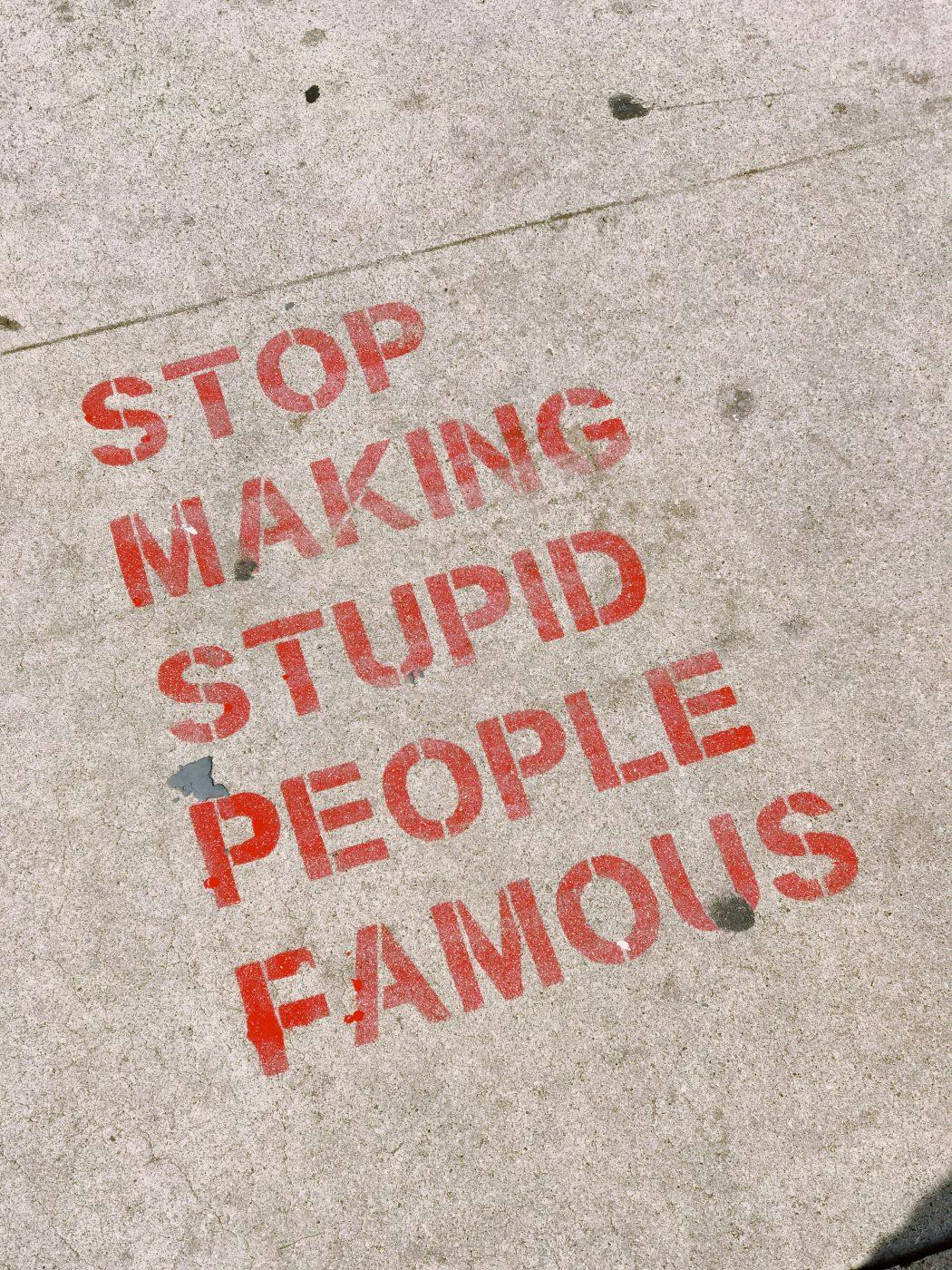
What Brands Get Wrong About Reality
Most brands don’t fail because they’re dishonest. They fail because they misread what people are reacting to. When they sense skepticism, they assume the solution is visibility. More proof. More access. More explanation. If people don’t trust us, we’ll show them everything.
So they open the doors wide. They narrate their values, document their culture, publish their process, and explain their intentions before anyone has asked. They make sure you know how much they care, how hard they’re trying, how human they really are.
And still, trust doesn’t increase.
That’s because the problem was never a lack of information. It was a lack of confidence in the performance itself. In a culture trained to read heightened emotion as truth, sincerity that arrives polished and on schedule feels managed. The more a brand insists it has nothing to hide, the more people start wondering what’s being arranged just outside the frame.
This is where authenticity starts to work against brands. Treated as something to demonstrate, it turns into evidence. Proof points. Receipts. But authenticity isn’t something an audience verifies by volume. It’s something they sense through pattern and time.
Brands also confuse vulnerability with credibility. They surface flaws before they’ve earned context. They package hard moments as content rather than letting them sit within a larger behavioral arc. In an environment saturated with performed honesty, this doesn’t register as brave. It registers as familiar.
People don’t think that’s real. They think, I’ve seen this move before.
The uncomfortable truth is that the behaviors that actually build trust rarely look impressive. They’re repetitive in the literal sense, not the rhetorical one. Consistency without commentary. Restraint when amplification is available. Doing what you said you would do when no one is watching, and no one is rewarding you for it.
That kind of reality doesn’t perform well. It doesn’t spike engagement. It doesn’t travel far. It doesn’t fit neatly into a campaign window. Which is exactly why so many brands talk around it instead of committing to it.
They reach for the language of intimacy without accepting the time intimacy requires. They want the reaction without the relationship. The payoff without the patience. That’s when reality starts to feel like theater. Not because brands are lying, but because they’re rushing. They’re trying to compress trust into a moment, the same way reality television compresses emotion into an episode.
But trust doesn’t work that way. It accumulates. And that’s what makes the alternative so uncomfortable. Not louder authenticity. Not better storytelling. Something slower. Quieter. Harder to point at. And much harder to fake.
A Different Way to Show Up
If heightened reality is the problem, the answer isn’t to reject performance altogether. That’s not possible. The moment a brand speaks publicly, it’s performing whether it likes it or not. The difference is how it performs. Most brands think performance is about expression. Saying the right thing. Showing the right side. Choosing the right tone. But the performances people trust are rarely expressive. They’re behavioral. They don’t announce themselves. They repeat.
A brand that’s steady doesn’t need to narrate its steadiness. A brand that’s accountable doesn’t need to explain its values every time it makes a decision. Those things show up in patterns. What happens when something goes wrong? How long does it take to respond? Whether responsibility gets passed around or held. This is the kind of reality that doesn’t ask for attention. It assumes time will do the work.
Which is why it’s so uncomfortable in a culture built on immediacy. Choosing restraint means letting some moments pass without amplification. It means not turning every internal struggle into content, allowing meaning to arrive late rather than forcing it into a headline while it’s still forming. That doesn’t mean silence. It means selectivity.
When brands do speak from this place, the tone changes. There’s less urgency to convince. Fewer declarations. More specificity. Less emotional theater. More clarity about what will actually happen next. It’s not flashy. It doesn’t feel clever. And it doesn’t travel as far as spectacle. But it does something spectacle can’t. It gives people room to decide for themselves.
That room is where trust forms. Not because a brand demanded it, but because nothing felt rushed. Nothing felt choreographed. Nothing tried to collapse time into a moment. In a culture saturated with performance, the rarest thing isn’t authenticity. It’s patience. And patience reads as confidence.
The Takeaway
Reality hasn’t disappeared. It’s just been crowded out by louder versions of itself. We live in a culture that rewards performance, speed, and emotional clarity on demand. That pressure shows up everywhere. On screens, in relationships, inside organizations, and brands, the instinctive response is almost always the same. Say more. Show more. Prove more.
But trust doesn’t grow in those conditions.
It grows when someone resists the urge to perform. When they let behavior speak before language. When they accept that meaning takes time and that not every moment needs to announce itself.
For brands, this is the uncomfortable part. The work isn’t about sounding more authentic. It’s about being consistent when there’s nothing to gain from it. It’s about making decisions that won’t trend. About letting clarity arrive late instead of forcing it early. About choosing patterns over moments.
That kind of reality doesn’t look impressive from the outside. It looks quiet. Sometimes even boring. But it’s also the kind that holds up when attention moves on.
At ThoughtLab, this is the tension we keep coming back to. Not how to make brands louder or more relatable, but how to help them show up with enough confidence to stop performing for approval. To trust that reality handled with care will always outlast reality optimized for attention.
Because the goal was never to make life feel more like television. It was to make trust feel possible again.