
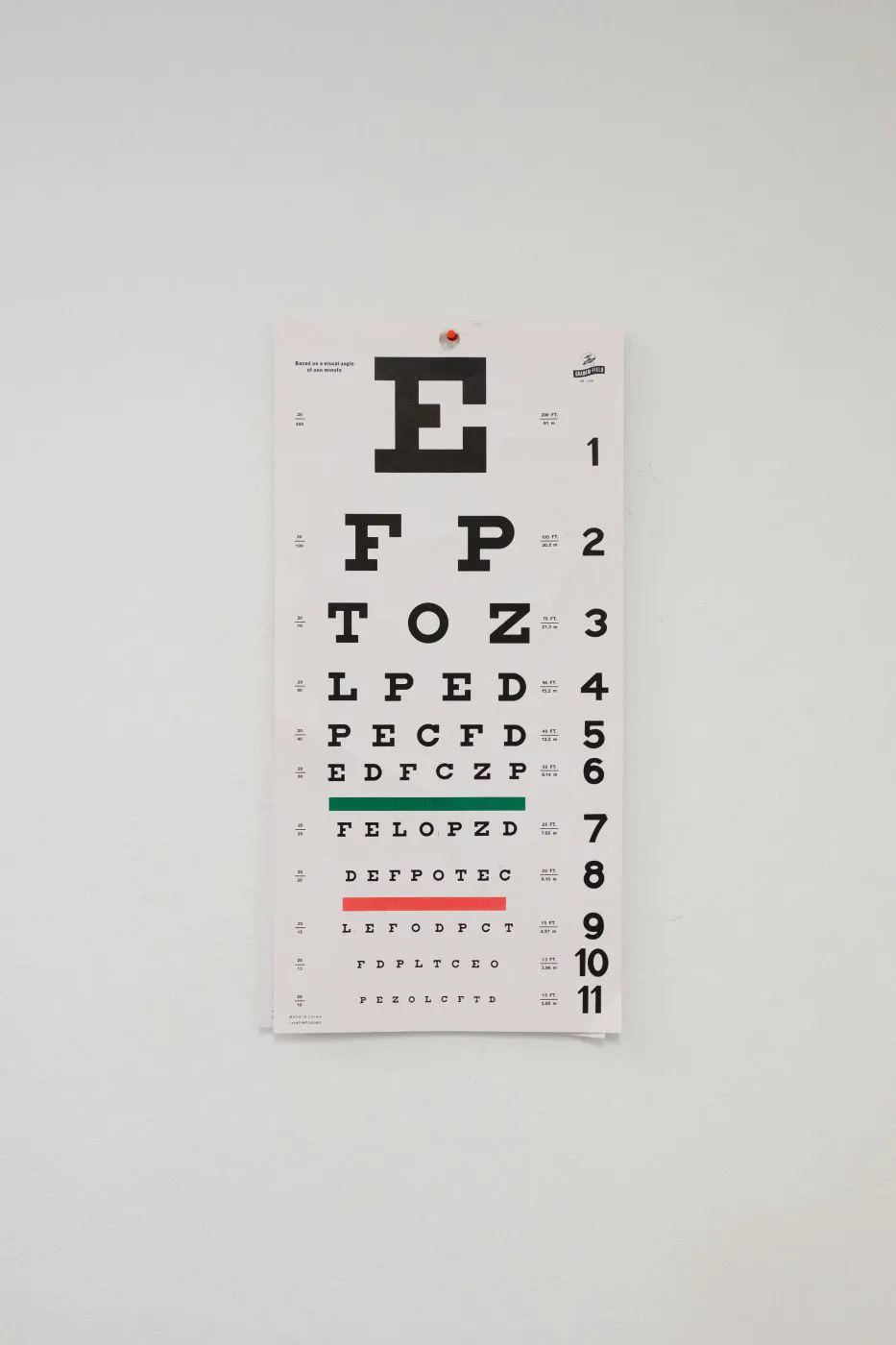
That’s the thing about being lost. It isn’t always caused by too little information. Sometimes it’s caused by too much of it, delivered badly. And that, honestly, is where a lot of brands get into trouble. They assume the answer is to say more, add more, explain more, layer in one more proof point, one more promise, one more polished sentence.
I was in the Deep South once, wandering around as I tend to do, and I found myself lost. I had no particular destination in mind, but when I looked around and saw nothing but swamp, mangrove trees, and a kid playing a banjo, I decided I should probably get out before nature made other plans for me. So I did what men are supposedly born to resist and pulled into a gas station to ask for directions.
It was the kind of place with two ancient pumps and a row of older guys out front watching the world go by. I got out, map in hand, walked over, said hello, and asked if someone could point me back toward town. One of them took the map, another leaned in, and within seconds, all of them were involved. They weren’t talking to me so much as around me, arguing over the best route, bringing up road damage, side roads, local landmarks, and whatever else seemed relevant in the moment. After fifteen or twenty minutes of this, they finally seemed to remember I was still standing there and, all at once, started telling me how to get where I was going.
It was a lot of information, and I’m sure they meant well, but none of it reached me in a way I could actually use. When I passed that same gas station for the third time, they’d clearly given up on me. The first two times, they pointed and yelled. The third time, they laughed, shook their heads, and went inside.
That’s the thing about being lost. It isn’t always caused by too little information. Sometimes it’s caused by too much of it, delivered badly. And that, honestly, is where a lot of brands get into trouble. They assume the answer is to say more, add more, explain more, layer in one more proof point, one more promise, one more polished sentence. But when everything comes at once, and nothing arrives clearly, people don’t feel informed. They feel stuck.
When Brands Mistake More for Clearer
What makes this tricky is that most brands don’t get here because they’re lazy. They get here because they care. They know their offer is nuanced; there’s context that matters, that the business is more than one neat little sentence. So they keep adding. One more detail. One more distinction. One more explanation to ensure they’re accurate, thorough, and fair to the complexity of what they do. That instinct makes sense internally. It just doesn’t always survive contact with an audience.
Because the person on the other side isn’t looking for the full architecture of your thinking. They’re trying to answer a much simpler question: do I get this, and do I trust it? That’s the real test. Not whether the message captures every layer of the brand, but whether it gives someone a clear enough path into what matters.
A lot of messaging breaks down right there. Brands mistake completeness for clarity, as if saying everything is the same thing as helping someone understand. It isn’t. In fact, the more a message tries to carry at once, the more likely it is to collapse under its own weight. What looked rich and intelligent in the meeting starts to feel crowded and slippery on the page.
You see it all the time. A homepage that wants to lead with mission, offering, philosophy, market position, human warmth, innovative language, and proof all at once. A brand statement so determined to sound smart it forgets to say anything plainly. A piece of copy that technically contains the answer, but only if the reader is willing to dig through three layers of abstraction to find it. Most people won’t.
And that’s the part worth paying attention to. When a message lacks clarity, the cost isn’t just aesthetic; it’s practical. It slows understanding, introduces hesitation, and makes the audience work harder than they want to. In business, that extra work matters. Every second of confusion is a small tax on trust, and people are surprisingly quick to walk away from anything that feels like effort.

Clarity Reduces Friction
That’s why clarity matters so much more than people think it does. It isn’t just a stylistic preference or a nice editorial value that makes copy people feel good about themselves. Clarity changes the brand experience in real time.
When someone understands what you do, where you fit, and why it matters, they move differently, stay with you longer, and make sense of your value faster. They don’t have to keep translating your language into something usable in their own heads. That shift may sound small, but it makes a big difference. It affects trust, momentum, and whether the brand feels easy to choose or quietly exhausting.
That’s especially true now, when so many companies have learned how to sound polished. Good tone is everywhere. Decent design is everywhere. Most brands have figured out how to appear thoughtful, capable, and well put together. What’s harder to find is a brand that makes you feel oriented. A brand that doesn’t just impress you for a second, but helps you understand something quickly enough that you know what to do next. That’s where clarity becomes a business advantage.
Because in a crowded market, people aren’t always choosing the most sophisticated company. Very often, they’re choosing the one they can understand without strain. The one that feels coherent, that seems to know what it is and can say so without hiding behind language that sounds elevated but lands vaguely. Clarity makes competence easier to recognize. It gives trust somewhere to go.
And that’s the part some brands miss. Confusion doesn’t always announce itself. It doesn’t show up waving a flag. Sometimes it looks perfectly good in the room, sounds smart enough to survive the review process, and it even makes everyone involved feel like they’ve captured the full richness of the business. But out in the world, where no one is grading you on nuance, confusion has a way of turning into drift. People skim. They hesitate. They postpone the decision. They move on.
A clear message doesn’t guarantee attention, but it gives attention somewhere solid to land. That matters more than ever.
Why Smart Brands Still Get This Wrong
Part of the problem is that complexity feels like seriousness. The more layered the language, the more strategic it can seem. The more qualifiers, distinctions, and refinements a message carries, the easier it is for a team to believe they’re doing justice to the business. No one wants to flatten something important. No one wants to sound simplistic. So the language gets denser in the name of accuracy, and somewhere along the way, accuracy starts crowding out clarity.
There’s also the small matter of internal life. Most brand messaging isn’t written in a vacuum. It gets shaped by leadership, sales, marketing, or stakeholders, and whatever anxieties happen to be floating around the company that week. Everyone wants their truth represented. Everyone wants their priority protected. They all have a phrase they think absolutely has to stay. By the end of that process, the message may contain many valid points, but validity and usefulness are not the same thing. That’s how brands end up saying five things at once and calling it a story.
What makes this especially frustrating is that smart brands are often the most vulnerable to it. They know more, they see more nuance, and have more to balance. And because they’re thoughtful, they’re often better at generating language than cutting it. They can keep refining forever. They can keep making the message more precise, more considered, more complete, without ever asking the simpler question that matters most: can someone actually understand this without being dragged through it?
That question sounds basic, but it’s the one that saves you.
Because clarity doesn’t mean stripping a brand down until it has no character left. It means making choices. It means deciding what needs to lead, what can wait, and what belongs somewhere else entirely. It means respecting the audience enough not to hand them the whole filing cabinet and call it communication.
And that’s the uncomfortable part. Clarity asks for discipline. Not just better writing, but restraint. Not just intelligence, but confidence. A brand has to trust that what matters most can stand on its own without every supporting thought piled on top of it.

What Clear Brands Actually Do
Clear brands don’t necessarily say less. They just understand what to say first.
They know the audience doesn’t need the entire mental model on first contact. They need a way in. They need to understand the shape of the thing before they’re asked to appreciate its depth. That’s what clear messaging does. It orders meaning. It gives the reader something firm to hold onto before asking them to carry anything more detailed, layered, or subtle.
That usually starts with a kind of discipline that has nothing to do with sounding clever. Clear brands make decisions. They know what they want to be known for. They know which truth needs to lead and which truths can support it later. They don’t try to make every sentence do the work of a full presentation deck. They let one idea land before introducing the next one.
You can feel the difference almost immediately. A clear brand sounds like it knows itself. Not because it says everything, but because what it says arrives in the right order. The value is legible. The message has weight without becoming heavy. There’s room for personality, texture, even complexity, but none of it gets in the way of understanding.
That’s what a lot of messaging forgets. Clarity isn’t the enemy of depth. It’s what makes depth accessible. Without it, even good thinking can become hard to use. With it, a brand can be smart, nuanced, and interesting without making the audience dig for the point.
And that’s usually the real shift. Not from weak writing to strong writing, but from accumulation to choice. From saying everything you could to saying what matters most in a way people can actually carry with them.
The Takeaway
A lot of brands assume their problem is visibility. They think they need more content, more messaging, more proof, and more ways to get in front of people. Sometimes that’s true. But often the real problem is simpler than that. People can’t act on what they don’t understand, and they usually won’t stay long enough to decode it.
Clarity matters because it makes the brand easier to trust. It helps people understand what you do, why it matters, and where they fit into the story without making them work for it. That doesn’t mean flattening the business or stripping out what makes it distinct. It means knowing what has to come first.
At ThoughtLab, that matters because brands don’t just need polished language. They need language that helps people move. In crowded markets, the advantage often doesn’t belong to the brand saying the most. It belongs to the one making the clearest case, at the clearest moment, in the clearest way.
If your message feels crowded, vague, or harder to hold on to than it should be, the answer may not be more language. It may be better choices. When everything sounds good, the brands that break through are usually the ones that make understanding easy.